
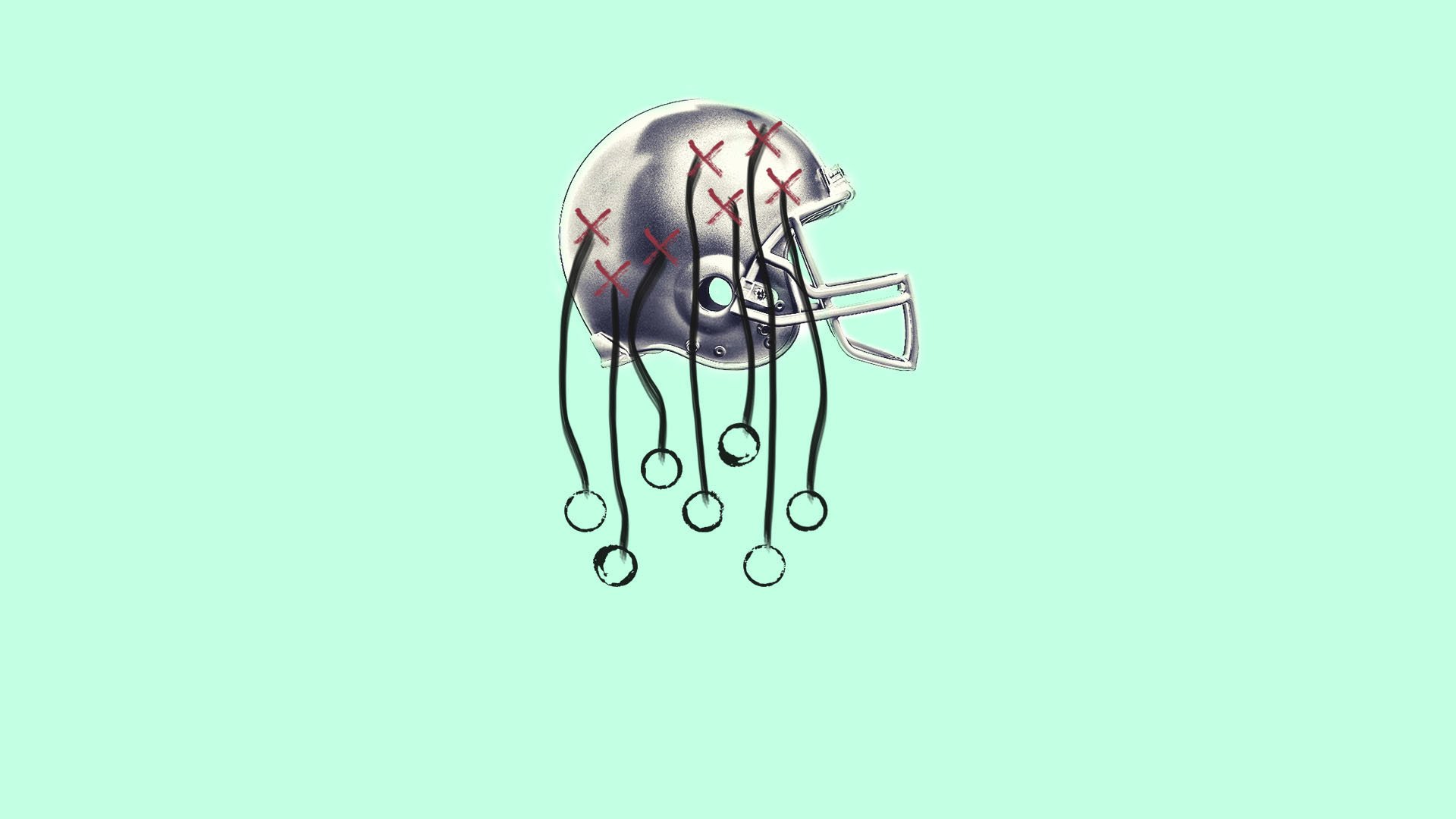
Chronic traumatic encephalopathy (CTE) is a devastating and progressive degenerative brain disease that can develop in people. People who have experienced repetitive and traumatic brain injuries. CTE is most common with athletes who have experienced multiple concussions and other head injuries. While there is no known cure for CTE, scientists are investigating the possibility that CBD may offer a possible reprieve. CBD, a non-psychoactive component of the cannabis plant. CBD has been studied for its potential in treating neurological disorders. including, epilepsy and Alzheimer’s disease. While there is still much research to be done, the potential of CBD to reduce inflammation. As well as improve brain plasticity and reduce oxidative stress has researchers looking into using CBD to treat CTE.
While it is too soon to know if CBD can be effective in treating CTE. The research so far has been promising and is certainly worth investigating further.
What Is CBD and How Could It Help Treat CTE?
There is a strong preclinical and clinical foundation for CBD to have potential in treating a range of neurodegenerative conditions. In the case of CTE, CBD may be able to reduce brain inflammation. That is thought to be one of the underlying causes of CTE. Inflammation is a crucial component of the immune system.

But, excessive inflammation is also implicated in many chronic diseases including heart disease, autoimmune disorders, depression, cancer and neurological disorders. CBD seems to have anti-inflammatory properties and this makes an attractive candidate for treating CTE. It is still early in the research process, but the potential to reduce inflammation could be an important first step in developing a treatment for CTE.
How CBD May Help Reduce Inflammation and Improve Brain Plasticity
There are also promising preclinical studies on how CBD could reduce oxidative stress and increase brain plasticity. Oxidative stress occurs when the body’s cells produce too many reactive molecules called oxidants. The body has mechanisms to deal with oxidative stress. However, if these mechanisms become impaired then it can lead to chronic diseases and neurological disorders. Studies on rats show that CBD reduces oxidative stress in the brains of rats.
Which, suggests that it could be effective in reducing oxidative stress in the brains of humans with CTE. CBD has also been shown to increase plasticity in the hippocampus, an area of the brain in learning and memory. Both of these mechanisms make CBD a promising candidate for treating brain disorders. These involve reduced brain plasticity and increased oxidative stress, including treating CTE.
CBD as a Potential Treatment for Neurodegenerative Diseases
Research is also being done to investigate the potential of CBD as a treatment for neurodegenerative diseases. Including Parkinson’s disease, Alzheimer’s disease, Huntington’s disease and multiple sclerosis. While CBD has shown promise in treating a number of neurological disorders. It can be a preventative measure to help protect the brain from damage caused by neurodegenerative diseases like Parkinson’s disease and Alzheimer’s disease.
Shop: The Rest of our CBD Products
Research on Using CBD to Treat CTE
Researchers have been studying the effects of CBD for CTE for the past few years, but the research is still in its early stages. While there is a lot of promising research, there are still many gaps in the information about how to use CBD for CTE. Because there is a lack of information about how to use CBD for CTE.
It is important to be cautious and use CBD cautiously until there is more research. There are several CBD products on the market that claim to treat CTE, but there is not enough evidence to support use of CBD to treat CTE. The best course of action is to contact your doctor or a neurologist with experience in treating CTE if you are interested in trying CBD as a treatment for CTE.

Potential Drawbacks of Using CBD to Treat CTE
Timing of CBD treatment is also an important factor when looking into treating CTE with CBD. CTE is thought to be caused by neurodegeneration that occurs after injury. This neurodegeneration appears to be irreversible. Because there is no known cure for CTE, using CBD as a preventative treatment could be ineffective.
For this reason, it is important to treat CTE with a neurodegenerative disease when it occurs. as opposed to trying to prevent it with CBD. Nevertheless, the potential of CBD to reduce inflammation and improve brain plasticity, as well as its known anti-oxidant properties, make it a promising candidate for treating CTE.
Summary of Research and Recommendations for Future Research
There is still much to learn about how to use CBD effectively to treat CTE, but the potential of CBD as a treatment for CTE is promising and warrants further research. There are a few things researchers should focus on next to examining how to use CBD effectively for treating CTE.
- Standardize products: Determine how much CBD is enough for effective treatment and what is the optimal duration for treatment
- Better understand how CBD helps treat CTE and determine if it is effective: Better understand how CBD works in the brain and is essential for future studies